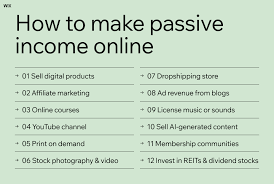
The internet has transformed how people earn money. Today, earning online is no longer limited to tech experts or people in big cities. With a laptop or smartphone, an internet connection, and patience, anyone can build a sustainable income. However, online earning is not instant; it requires skill development, consistency, and realistic expectations. Below are the most reliable and proven online earning methods, explained in detail.
1. Freelancing – Skill-Based Online Income
Freelancing is the most practical and fastest way to earn online. It means selling your skills to clients worldwide on online platforms.
Common freelance skills include graphic design, content writing, video editing, web development, SEO, social media management, and virtual assistance. Platforms such as Fiverr, Upwork, and Freelancer connect freelancers with clients looking for these services.
How it works:
You create a profile, list your services, show samples of your work, and apply for projects. Clients pay you per project or hourly. Beginners often start with low rates to build reviews and gradually increase prices.
Earning potential:
Income depends on skill level and experience. Many freelancers earn from a few hundred dollars monthly at the start, while experienced freelancers earn full-time incomes and more .
Key success factors:
Learning one skill deeply, delivering quality work, and communicating professionally.
2. YouTube – Content Creation & Passive Income
YouTube allows people to earn by creating videos that attract viewers. Once a channel meets YouTube’s monetization requirements (1,000 subscribers and 4,000 watch hours), creators can earn from ads, sponsorships, and affiliate links.
Popular niches include education, cooking, beauty, technology, motivation, Islamic content, and daily vlogs. You do not need expensive equipment; many successful channels start with a smartphone.
Income sources:
Ad revenue (Google AdSense), brand deals, affiliate product links, and selling personal services or products.
Earning timeline:
YouTube is a long-term strategy. It may take 6–12 months of consistent uploads before earning becomes stable .
3. Affiliate Marketing – Commission-Based Earning
Affiliate marketing means promoting other people’s products and earning a commission on every sale made through your referral link. You don’t need to create or store products.
Common platforms:
Amazon Associates, Daraz Affiliate Program, ClickBank, Digistore24, and Fiverr Affiliates.
Promotion methods:
Affiliate links can be shared through YouTube videos, blogs, Facebook pages, TikTok, or WhatsApp groups.
Why it works:
Once content ranks or gains views, affiliate income can become semi-passive. Many creators combine affiliate marketing with YouTube or blogging for better results .
4. Blogging – Long-Term Digital Asset
Blogging involves writing articles on a specific topic and publishing them on a website. Blogs earn money through ads, affiliate links, and sponsored posts.
Popular blog niches:
Health, education, technology, beauty, travel, finance, and religion.
Monetization methods:
Google AdSense displays ads on your blog, affiliate links earn commissions, and brands may pay for sponsored content.
Reality check:
Blogging requires patience. Most blogs take several months before generating income, but once successful, they can earn passively for years .
5. Online Teaching & Courses
If you have knowledge in any subject—English, mathematics, Quran teaching, coding, or digital skills—you can teach online.
Platforms include Udemy, Preply, Skillshare, and private Zoom classes. Some people also teach for free on YouTube and later sell paid courses.
Why it’s effective:
Knowledge-based income builds trust and long-term credibility. One recorded course can generate income repeatedly.
Income range:
Depends on demand and marketing. Skilled instructors can earn a stable monthly income over time .
6. Selling Digital Products
Digital products include eBooks, templates, planners, printables, and design assets. These products are created once and sold multiple times.
Selling platforms:
Gumroad, Etsy, Payhip, and personal websites.
Advantages:
No shipping, no inventory, and low startup cost. Canva and free tools are enough to start.
This method is growing fast because it allows passive income with creative freedom .
7. Social Media Management
Many small businesses cannot manage their social media pages. Social media managers create posts, reply to messages, and help grow accounts.
Platforms managed:
Facebook, Instagram, TikTok, and LinkedIn.
Clients:
Local businesses, online stores, and personal brands.
Skill requirement:
Basic content creation, communication skills, and consistency. This is a strong option for beginners who understand social media trends.
8. AI-Based Online Earning (Emerging Trend)
AI tools are now used for writing, image generation, video creation, and automation. Freelancers who combine AI with traditional skills work faster and earn more.
Examples:
AI content writing, faceless YouTube channels, AI-generated designs, and automated video editing.
This trend is expanding and offers a competitive advantage for those who learn early .
Important Warnings & Tips
Online earning requires effort. Avoid apps or websites promising “easy money” without skills—many are scams . Always:
- Focus on learning real skills
- Avoid paying registration fees
- Be consistent for at least 3–6 months
- Start with one method, not many
